Reviews · Filed 2026-01-12Hull by Hull: Our Reviews
Four boats, four very different briefs. Each review pairs the builder's published figures with what we found at the helm, in the galley and in the marina.
§ 01 / Method
How we test a yacht
A review on this desk begins at a laptop, not on a pontoon. We take the builder's specification sheet and work out the ratios that tell you more than any adjective: displacement against waterline length, sail area against displacement, ballast as a share of weight, and the gap between fuel and water tankage and what a crew of four would really use in a week.
Then we go sailing. Our preferred test is a beat in 12 to 20 knots of true wind, a reach under the largest headsail, and at least one tack and gybe sequence with only two people handling lines. We berth stern-to and alongside, because a boat that is a joy offshore can still be a misery in a crosswind at a crowded quay. Below, we open lockers, lift floorboards, check the access to the engine's raw-water impeller and filters, and look at how the hull-deck joint and chainplates are finished.
We do not score boats out of ten. A Lagoon and a Swan are not competing for the same owner, and a single number hides more than it reveals. Instead each review ends with who the boat suits and who should look elsewhere.
All figures are rounded from builder-published data and vary with options and model year. Check the current specification sheet before any purchase decision.
§ 02 / The boats
The reviews
- Performance cruiser
- Finland
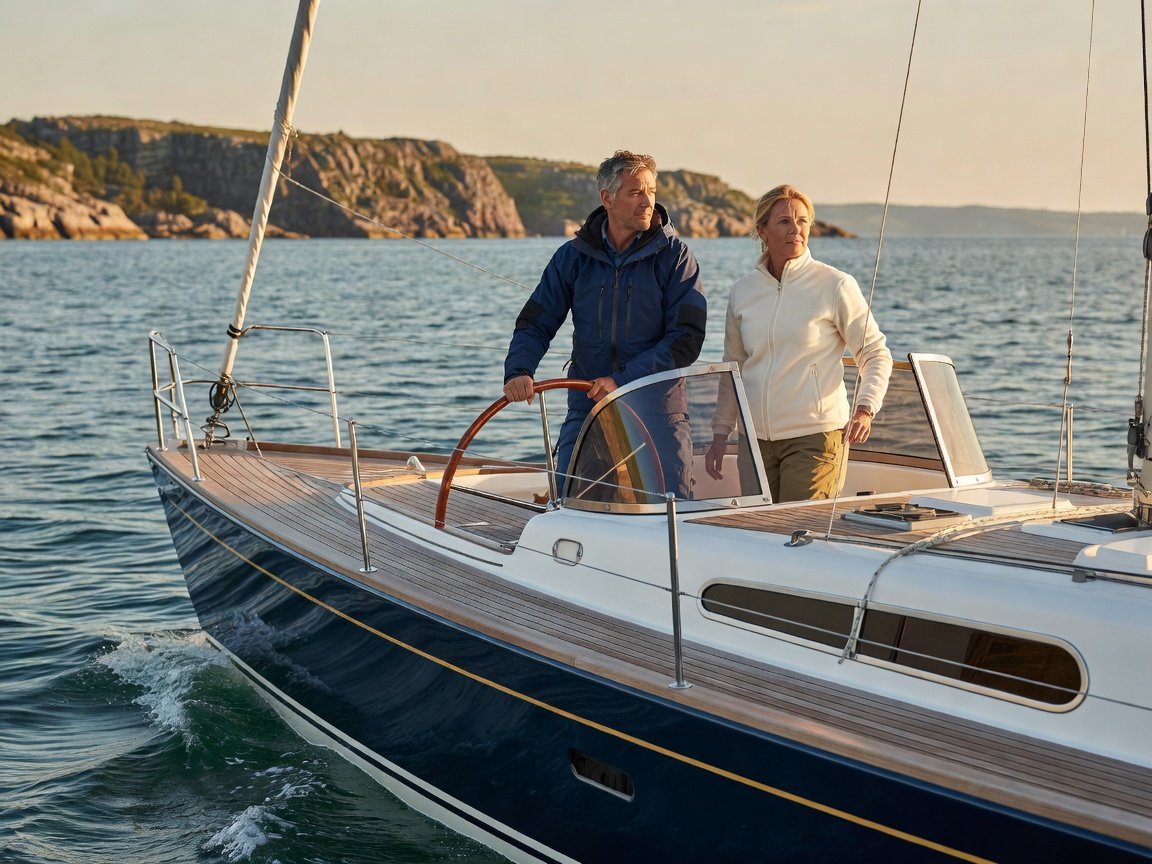
2026-01-12 · Review 01Hallberg-Rassy 40C: the dry-cockpit argument
| Item | Figure |
|---|
| LOA | ~12.3 m |
| Beam | ~4.0 m |
| Draft | ~2.0 m |
| Design | Germán Frers |
| Builder | Hallberg-Rassy, Ellös |
The fixed windscreen is the first thing critics mention and the last thing owners would give up. In a short Solent chop it kept the helm dry where an aft-cockpit rival would have had us in oilskins. The boat is not quick to accelerate out of tacks, but she tracks steadily and the motion below is gentle. Verdict: for couples planning long seasons in northern waters, few 40-footers make the miles feel shorter. Racers should look elsewhere.
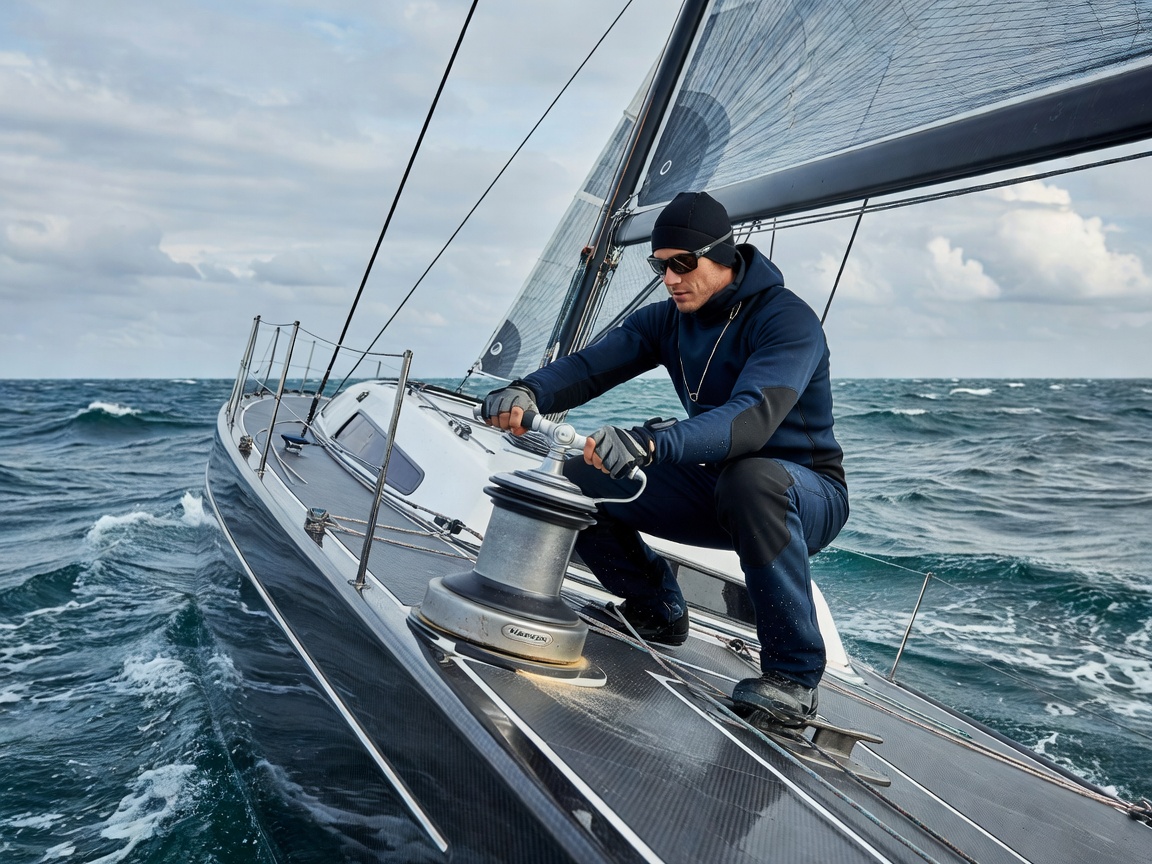
2026-01-12 · Review 02Swan 48: speed with a joinery bill
| Item | Figure |
|---|
| LOA | ~15.0 m |
| Beam | ~4.5 m |
| Draft | ~2.6 m (std.) |
| Design | Germán Frers |
| Builder | Nautor Swan, Pietarsaari |
The Swan 48 points high and stays light on the helm well past the point where a heavier cruiser starts to load up. The deck layout is clean but rewards a crew that knows where every line runs. Interior finish is excellent and priced accordingly. Verdict: an owner who races a little and cruises a lot will be satisfied; a short-handed couple should budget for electric winches and practice.
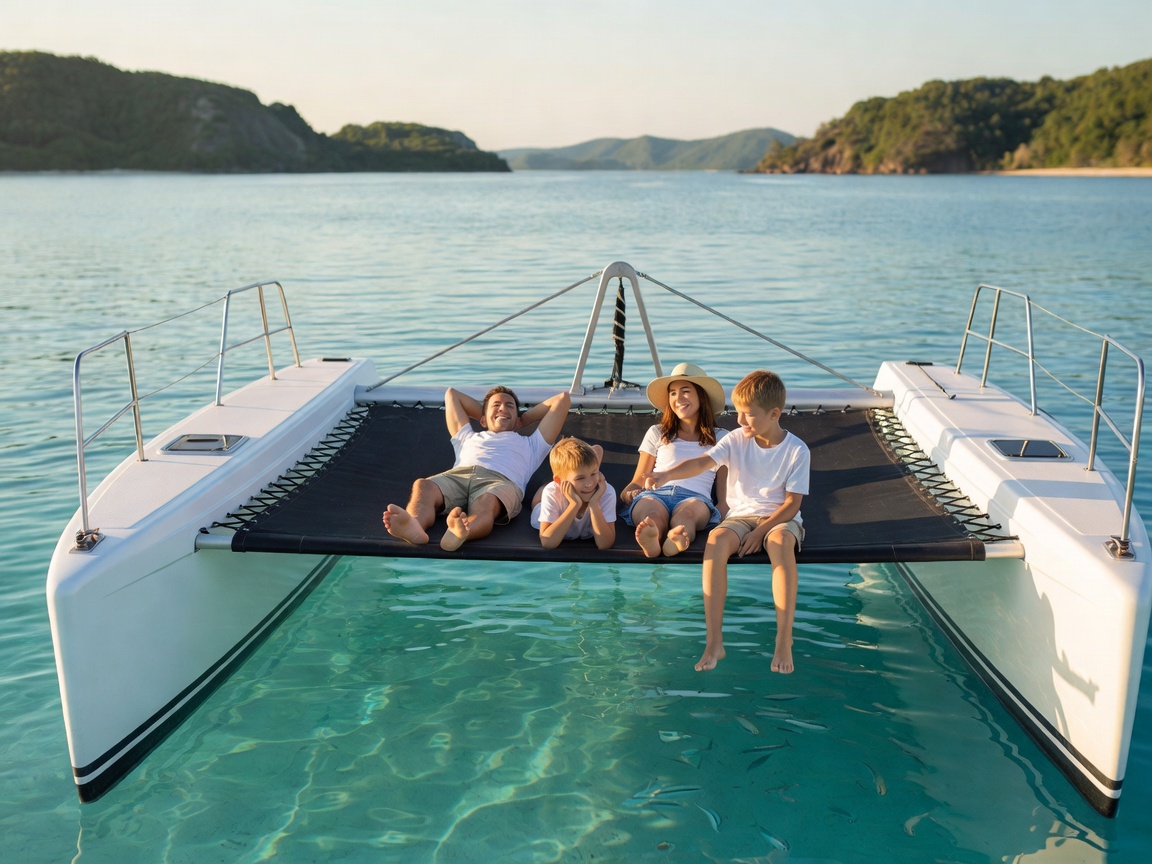
2026-01-12 · Review 03Lagoon 46: volume first, and honest about it
| Item | Figure |
|---|
| LOA | ~14.0 m |
| Beam | ~8.0 m |
| Draft | ~1.35 m |
| Design | VPLP |
| Builder | Lagoon (Groupe Beneteau) |
Nobody buys a Lagoon 46 for windward performance, and it would be unfair to review it that way. Moving the mast aft and enlarging the self-tacking jib makes it simpler for a small crew. At anchor the boat is a floating terrace with shallow draft for bays monohulls cannot reach. Verdict: ideal for charter fleets and families; less suited to owners who measure trips in tacking angles.
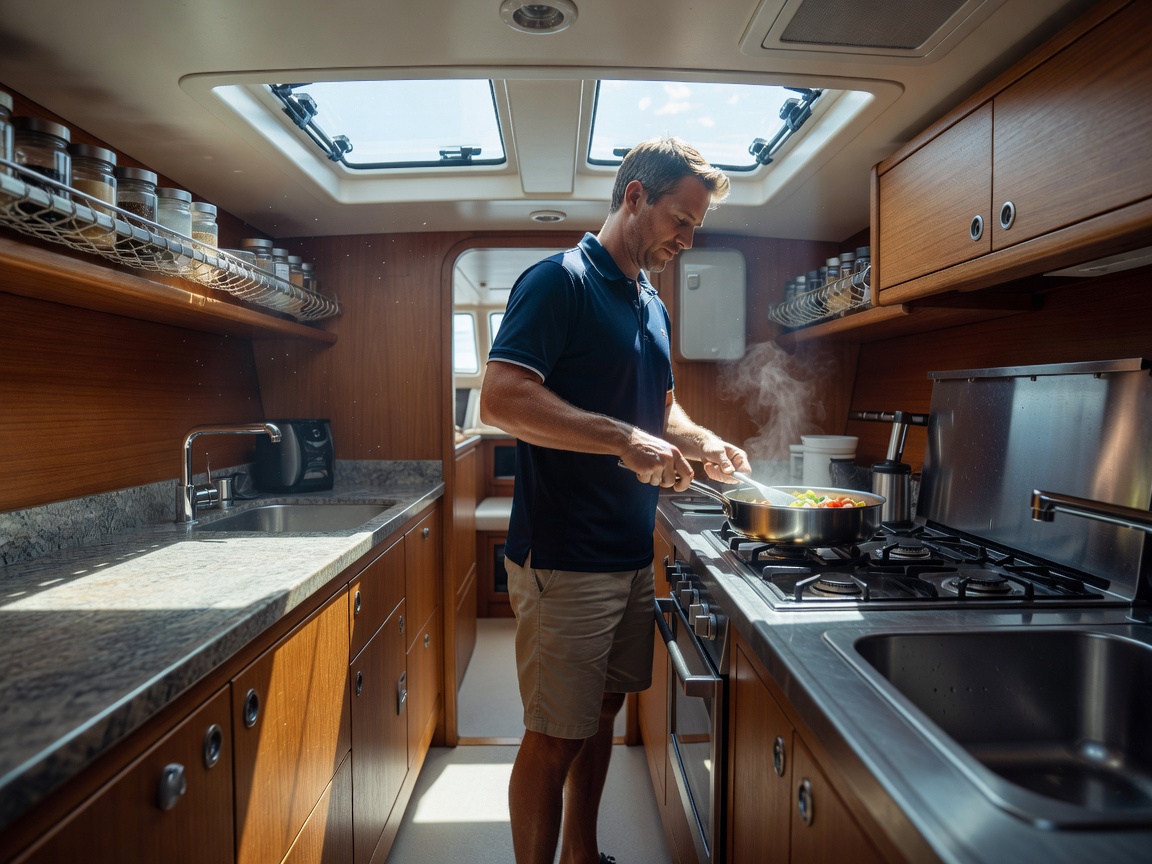
2026-01-12 · Review 04Oyster 495: built for the long leg
| Item | Figure |
|---|
| LOA | ~15.5 m |
| Type | Raised saloon |
| Keel | Deep or shoal options |
| Design | Rob Humphreys |
| Builder | Oyster Yachts, UK |
The raised saloon gives sea views from the dinette and the galley is laid out so a cook can brace on starboard tack. Systems access is generous, which matters more on day twelve of an ocean passage than on a test sail. Verdict: a serious ocean cruiser for owners who plan rallies and trade-wind crossings; heavy for coastal hopping.